
Understanding the psychological triggers that drive gambling behavior
The Nature of Gambling Addiction
Gambling addiction is a complex behavioral issue that stems from various psychological triggers. One fundamental trigger is the excitement associated with risk-taking and uncertainty. Many individuals are drawn to the thrill of potential rewards, which stimulates the brain’s reward pathways, releasing dopamine, the “feel-good” neurotransmitter. This biochemical reaction reinforces the desire to gamble, creating a cycle of behavior that can lead to addiction. In this context, numerous platforms like QQBet casino offer diverse gaming options that further enhance the thrill of gambling.
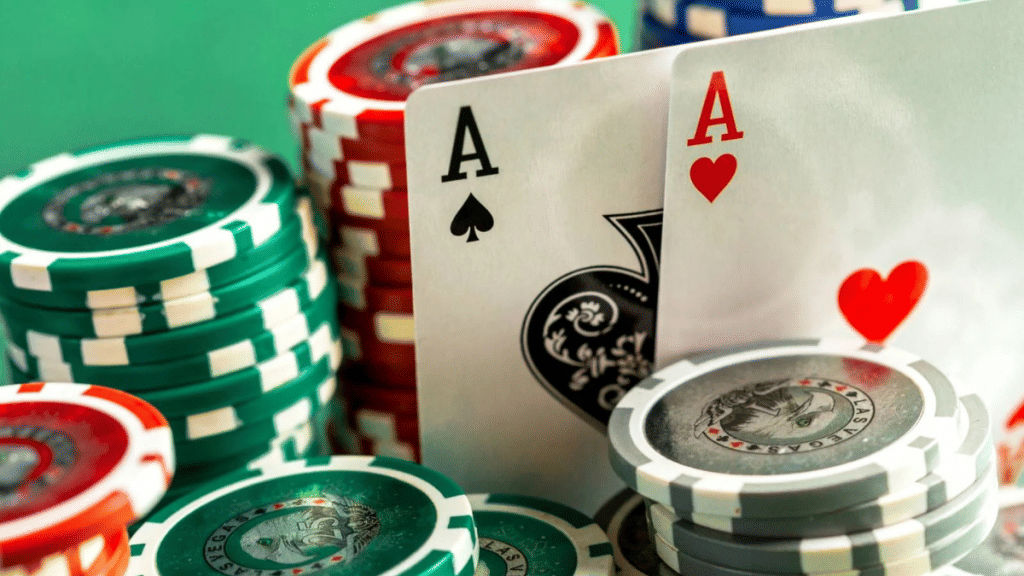
Another crucial element is the cognitive distortions that accompany gambling. Many gamblers develop irrational beliefs, such as the illusion of control—thinking they can influence outcomes in games of chance. For instance, a player might believe that they can pick the right numbers in a lottery or that their strategy in poker can guarantee success, despite the inherent randomness. These misconceptions often trap individuals in a cycle of continuous play, disregarding the statistical realities of gambling.
Moreover, emotional factors significantly contribute to gambling behavior. Many individuals use gambling as a coping mechanism to escape negative feelings or life stresses. The temporary relief provided by winning, or even the thrill of playing, can mask underlying issues, leading individuals to gamble more as a form of emotional regulation. Understanding these psychological triggers is essential to comprehend why some individuals become addicted while others can gamble recreationally.
The Role of Environment and Social Influences
Environmental factors heavily influence gambling behavior. The accessibility of casinos, both physical and online, plays a crucial role in shaping a person’s gambling habits. For example, individuals living near gambling establishments are more likely to partake in gambling activities. The constant availability creates a scenario where impulsive decisions can occur, leading to increased gambling frequency and the potential for addiction.
Social influences also play a significant part in gambling behaviors. Friends and family can either encourage or dissuade individuals from gambling. A culture that views gambling as a normal social activity can promote excessive gambling behavior. For instance, in some communities, gambling is a celebrated event during holidays or festivals, perpetuating the notion that it’s a harmless pastime. This social reinforcement can create peer pressure, where individuals feel compelled to gamble to fit in or bond with others.
Additionally, advertising and media representations of gambling shape public perception. Marketing tactics often emphasize the glamour and excitement of gambling without highlighting the associated risks. This portrayal can create an allure that attracts new gamblers, particularly those who are susceptible to psychological triggers like the desire for excitement or social acceptance. Understanding these environmental and social factors is critical for addressing gambling behavior on a broader scale.
Casinos employ various psychological strategies to maximize engagement and ensure continued patronage. One prevalent method is the use of rewards systems that trigger feelings of accomplishment and success. Casinos often provide players with comp points or loyalty programs that create a sense of achievement, even in cases where the individual is losing overall. This strategy fosters a feeling of loyalty towards the casino, making individuals more likely to return.
Another tactic is the manipulation of the physical environment within casinos. The design of gaming spaces, lighting, and sound effects are carefully curated to create an immersive experience. For instance, the sounds of coins clinking or the flashing lights of slot machines can heighten excitement, engaging players on a sensory level. This environment often leads to extended play sessions as gamblers become entranced by the atmosphere, disregarding time and money spent.
Additionally, the use of near misses in games can create a psychological impulse to continue playing. Gamblers often perceive a near miss as a sign that they are close to winning, leading them to wager more. This illusion of being ‘close’ can keep players engaged longer than they initially intended, reinforcing the gambling cycle. Understanding these strategies helps illuminate the complex interplay between casinos and gamblers, highlighting how psychological triggers are exploited in a gaming context.
The emotional consequences of gambling can vary significantly depending on the outcomes of play. Winning can lead to a euphoric state, reinforcing future gambling behavior and creating a desire to chase that high again. This phenomenon, often referred to as the “winner effect,” can lead to risky behaviors, as individuals might gamble more aggressively, believing that their winning streak will continue.
Conversely, losing can trigger feelings of despair, anxiety, and frustration, which can fuel a desire to gamble more in an attempt to reclaim losses. This cycle of chasing losses, known as loss aversion, can lead individuals deeper into gambling addiction. The emotional rollercoaster experienced in gambling is a significant psychological trigger, often determining the frequency and amount of gambling an individual engages in.
Additionally, the social stigma associated with gambling losses can create a sense of isolation and shame, compounding the emotional impact of gambling. Many individuals who experience significant losses may retreat from social interactions, fearing judgment or misunderstanding from peers. This isolation can lead to increased gambling as a coping mechanism, perpetuating a harmful cycle. Understanding these psychological impacts is crucial for developing effective interventions for those struggling with gambling behavior.
Exploring QQBet: A Safe Gambling Environment
QQBet Casino offers a unique online gaming experience that caters to both new and seasoned players. Established in 2024, this platform prioritizes player safety and transparency, ensuring that users can enjoy their gaming experience without the common risks associated with gambling. A generous welcome package featuring a 150% bonus and 150 free spins encourages responsible gaming and allows players to explore various games risk-free.
The site’s design and user interface promote a welcoming environment, making it easy for players to navigate through over 5,000 slots and live dealer options. This accessibility reduces the likelihood of impulsive betting often associated with overly complex gaming environments. Additionally, QQBet emphasizes secure transactions and convenient payment options, allowing players to focus on the excitement of the game rather than their financial security.
Furthermore, QQBet Casino provides 24/7 support to address any player concerns. This commitment to customer service fosters a community where players can seek assistance or discuss their gaming experiences openly. By promoting responsible gaming practices and offering a safe platform, QQBet stands out as a leader in the online gambling industry, ensuring that players can enjoy their favorite games while being mindful of their psychological well-being.
“`